SOLARIS
Loading…NAD+ in Aesthetics: The Energy Layer Most Protocols Skip
· 1 min read

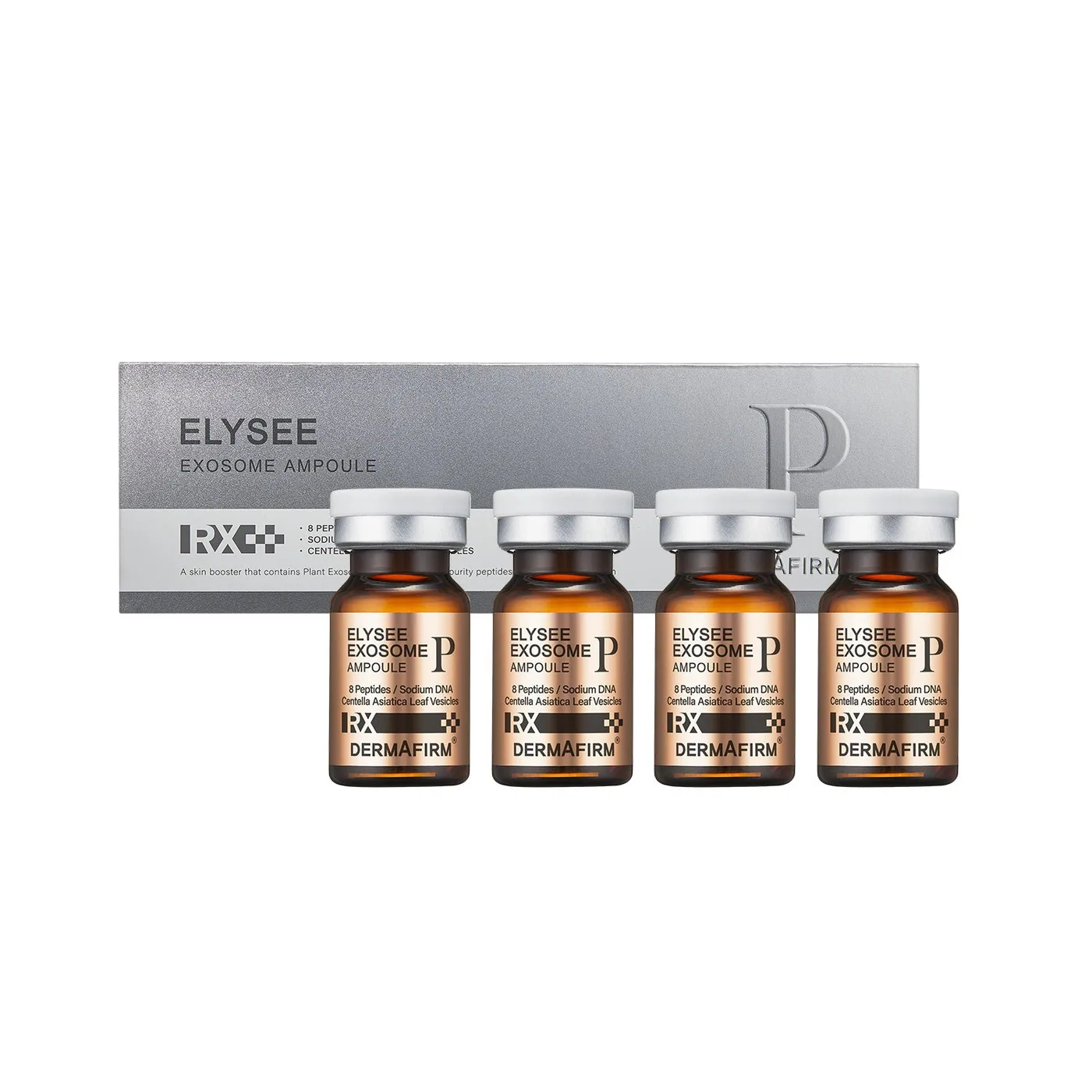
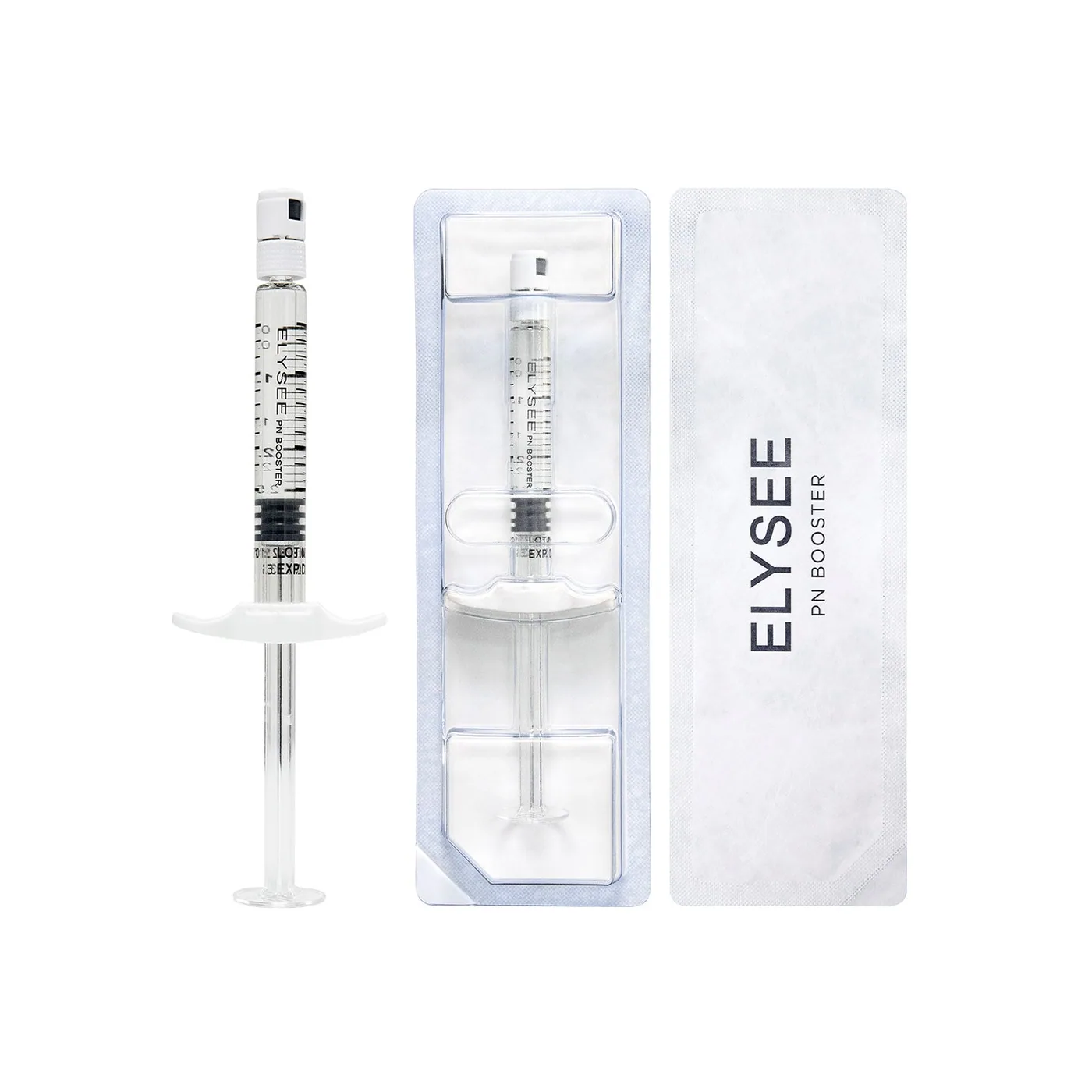
Regenerative aesthetics has spent a decade perfecting the message: exosomes to carry growth-factor signals, polynucleotides to rebuild scaffolding. Both assume something we rarely test — that the cell receiving the instruction still has the energy to carry it out.
What NAD+ actually is
Nicotinamide adenine dinucleotide is the coenzyme sitting behind cellular repair and mitochondrial function. It is not a growth factor and not a filler; it is the currency the repair machinery spends. Levels decline measurably with age, which is why an ageing fibroblast can receive a perfect signal and still respond slowly.
Why it belongs alongside, not instead of
Think of a regenerative protocol as three layers:
- Signal — exosomes tell the cell what to do
- Structure — polynucleotides give the dermis something to rebuild on
- Energy — NAD+ addresses whether the cell can act at all
Clinics that only ever address the first two often plateau on exactly the patients who need all three: mature skin, chronic stress, poor recovery history.
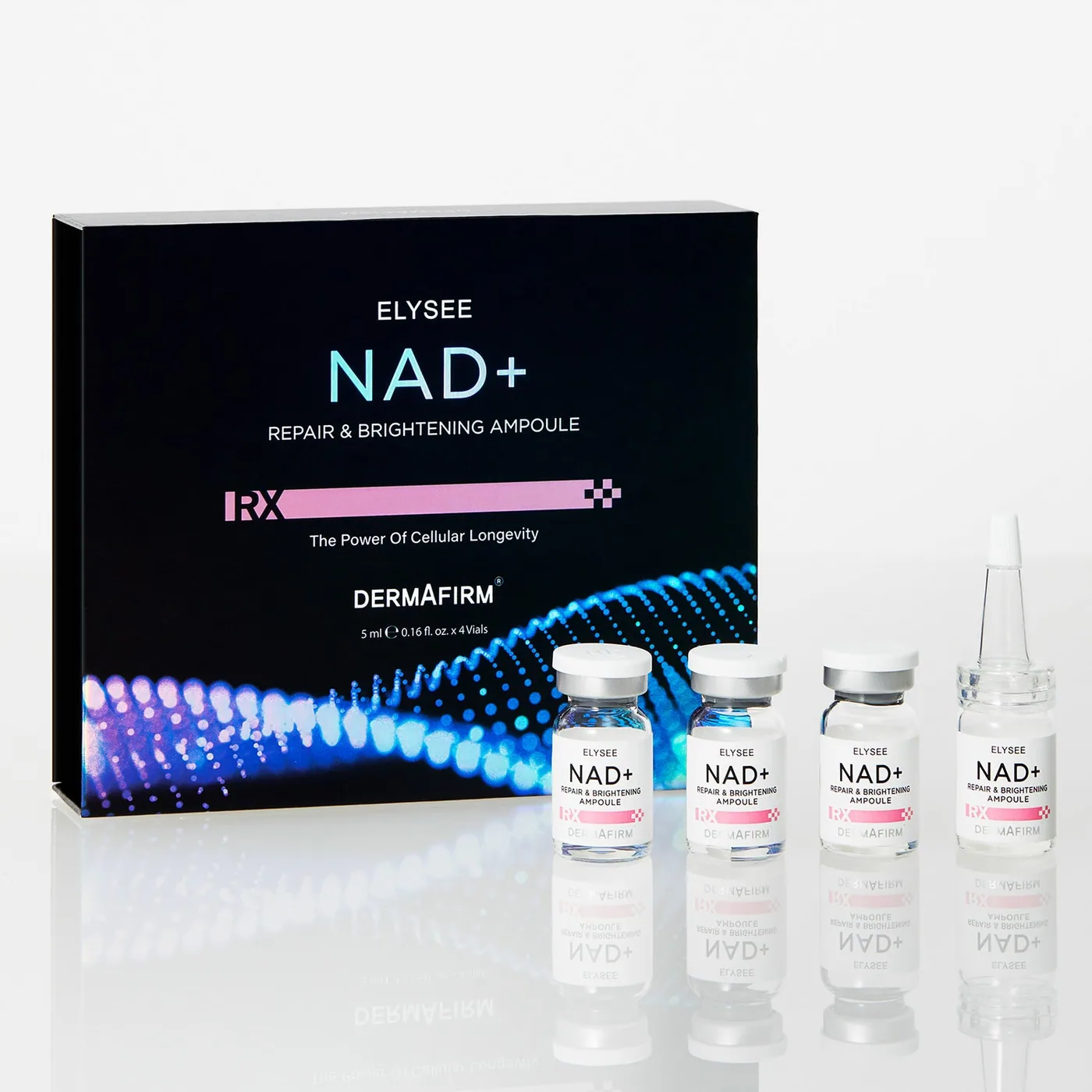
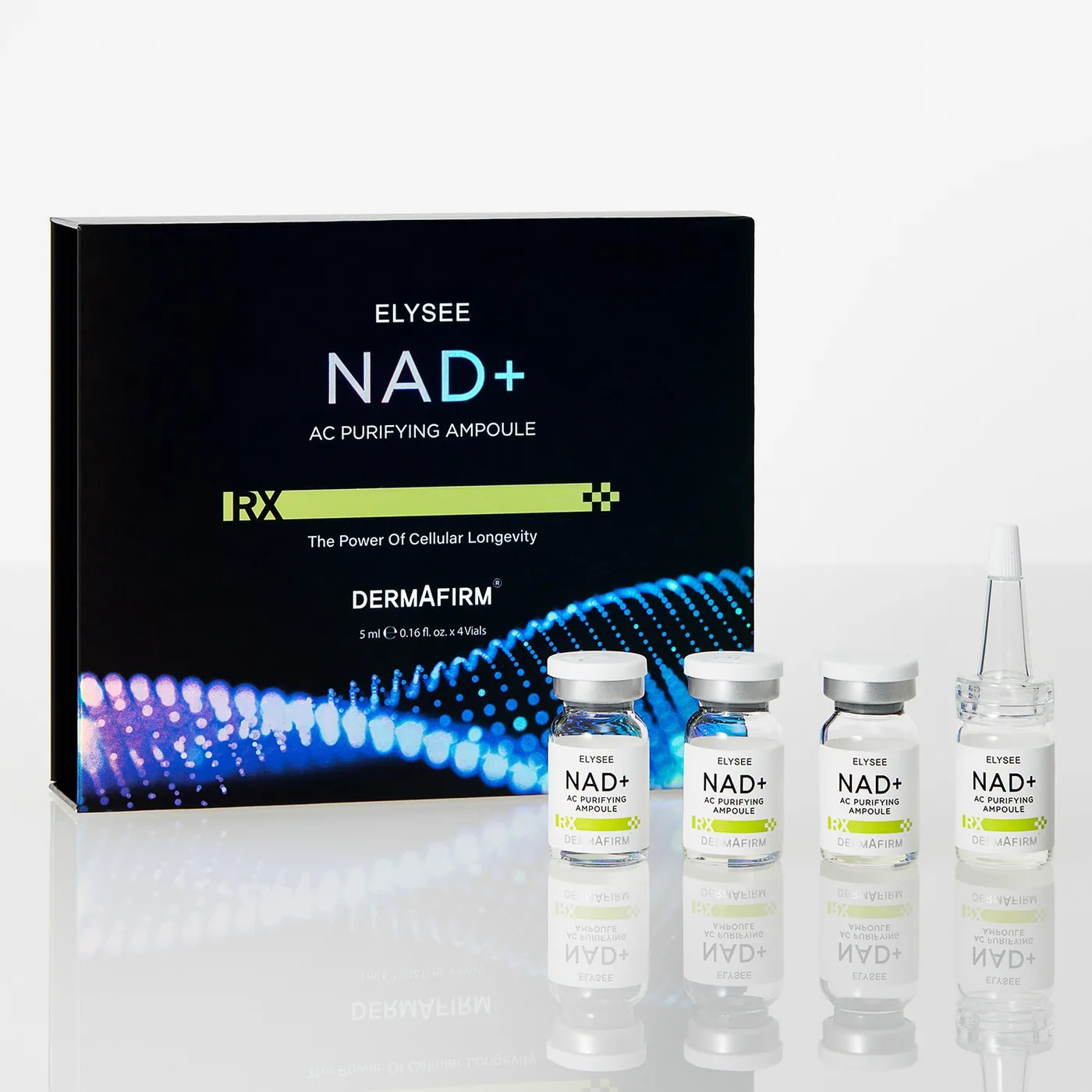
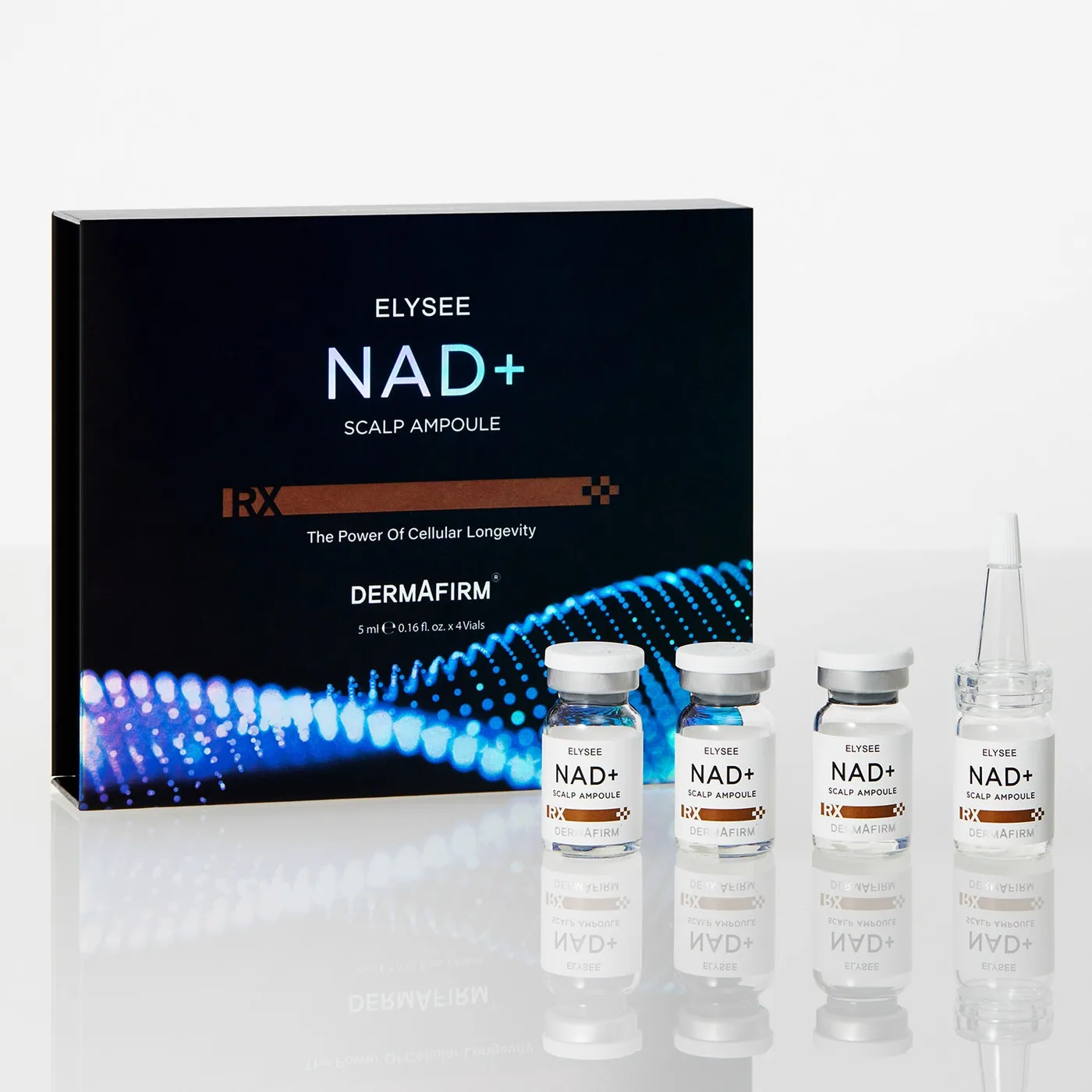
Concentration is a specification worth asking for. Elysee's NAD+ ampoule range publishes 5,000 PPM — ask any supplier to state theirs in writing.
Where it fits in the calendar
NAD+ ampoules are professional-use products applied to the target area as part of an in-clinic session. They pair naturally with the same post-procedure window where exosomes are already used, and with skin-quality programmes for patients over 35.
Our NAD+ line is documented and cold-chained like the rest of the Elysee family — see Elysee NAD+ for the current specification.
#science#NAD+#products